

Introduction
Davinci AI’s Google Analytics integration allows you to track and analyze user behavior on your platform. By adding Google Analytics, you can gain valuable insights into how users interact with your Davinci AI website, helping you make data-driven decisions to improve user experience and engagement.Davinci AI supports GA for frontend and separate one for the Admin Dashboard, both have different setup mechanisms, below are configuration steps for both
Frontend - Google Analytics Configuration
Follow these steps to connect Google Analytics with your Davinci AI platform’s frontend page:1
Step 1
If you don’t have a Google Analytics account, sign up here.
2
Step 2
Once logged in, click on the Admin button on the bottom right corner.
3
Step 3
Create a new Property for your Davinci AI website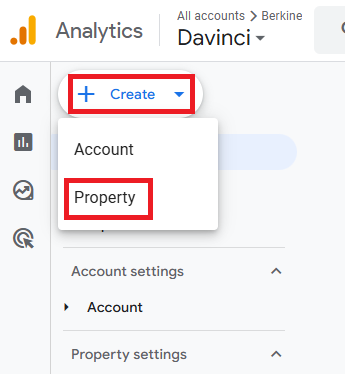
4
Step 4
Fill in the property details and rest of the information as needed.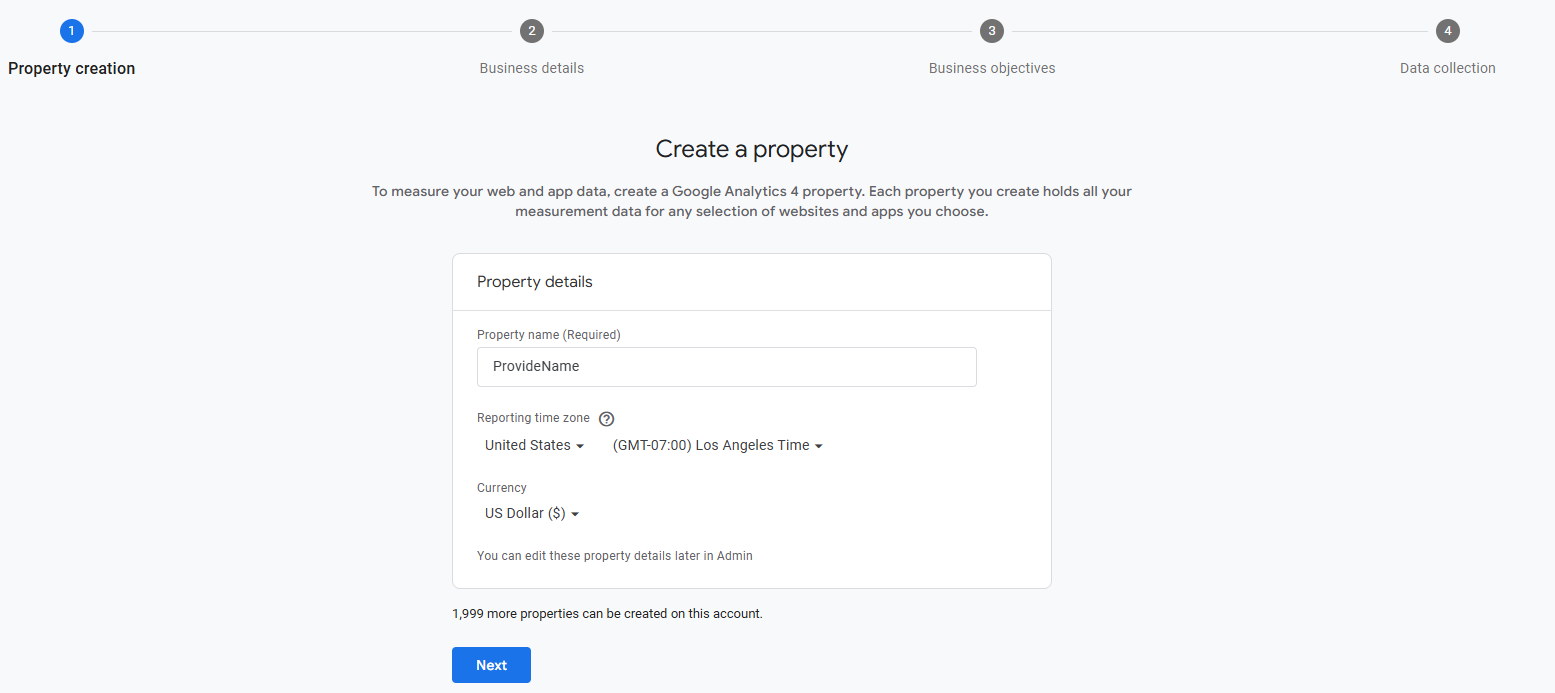
5
Step 5
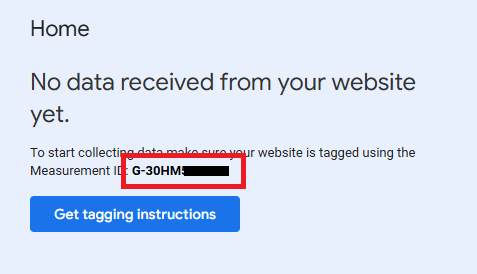
Go to the home page and copy your Measurement ID.
6
Step 6
Login to the Davinci AI as Admin. Go to the Admin Panel -> General Settings -> Global Settings and scroll to Google Analytics section.
Inlude your Google Analytics Tracking ID that you copied in the previous step, turn on the Enable Google Analytics checkbox and click on Save button.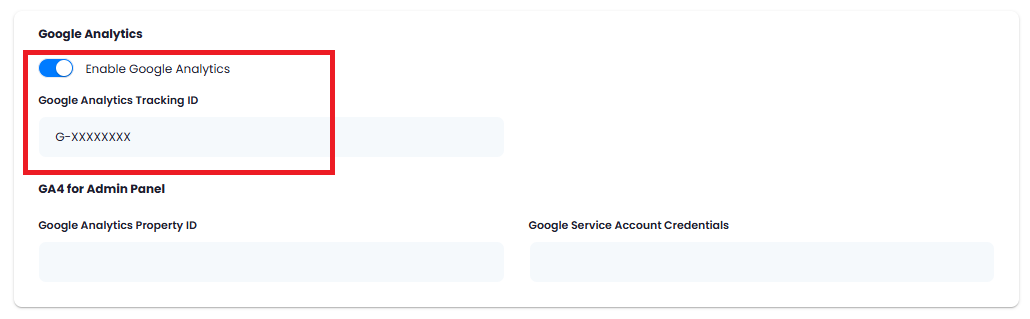
Inlude your Google Analytics Tracking ID that you copied in the previous step, turn on the Enable Google Analytics checkbox and click on Save button.
7
Step 7
You now have completed the Google Analytics configuration for frontend.
Admin Dashboard - Google Analytics 4 Configuration
Davinci AI has integrated Google Analytics metrics view in the Admin Dashboard page, so you could directly see all your metrics from your Google Analytics account in your Admin Panel.1
Step 1
Login into your Google Cloud Console account.
2
Step 2
Once logged in, select your project that you want to use.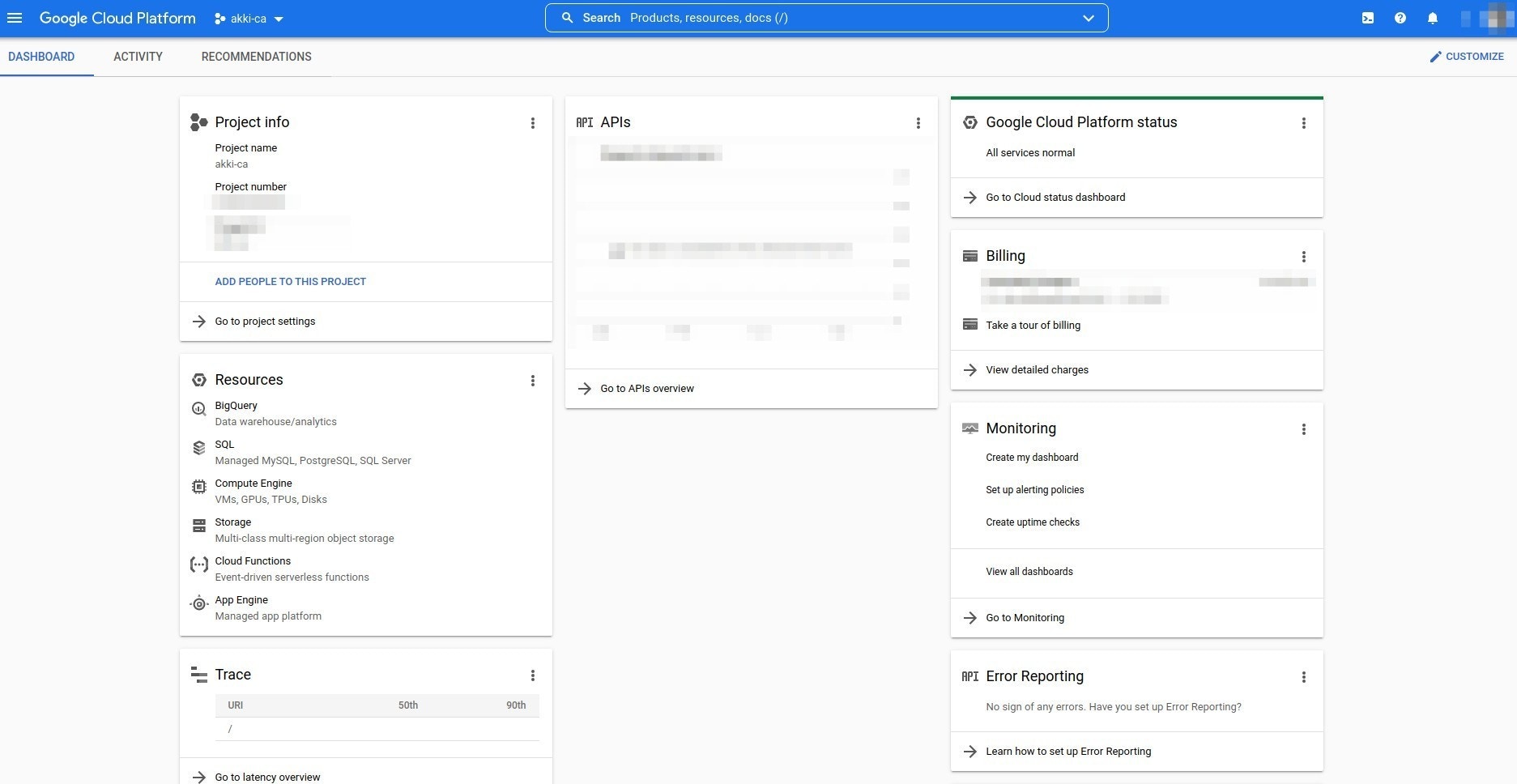
3
Step 3
Search for google analytics data api and select it among the search results as shown below.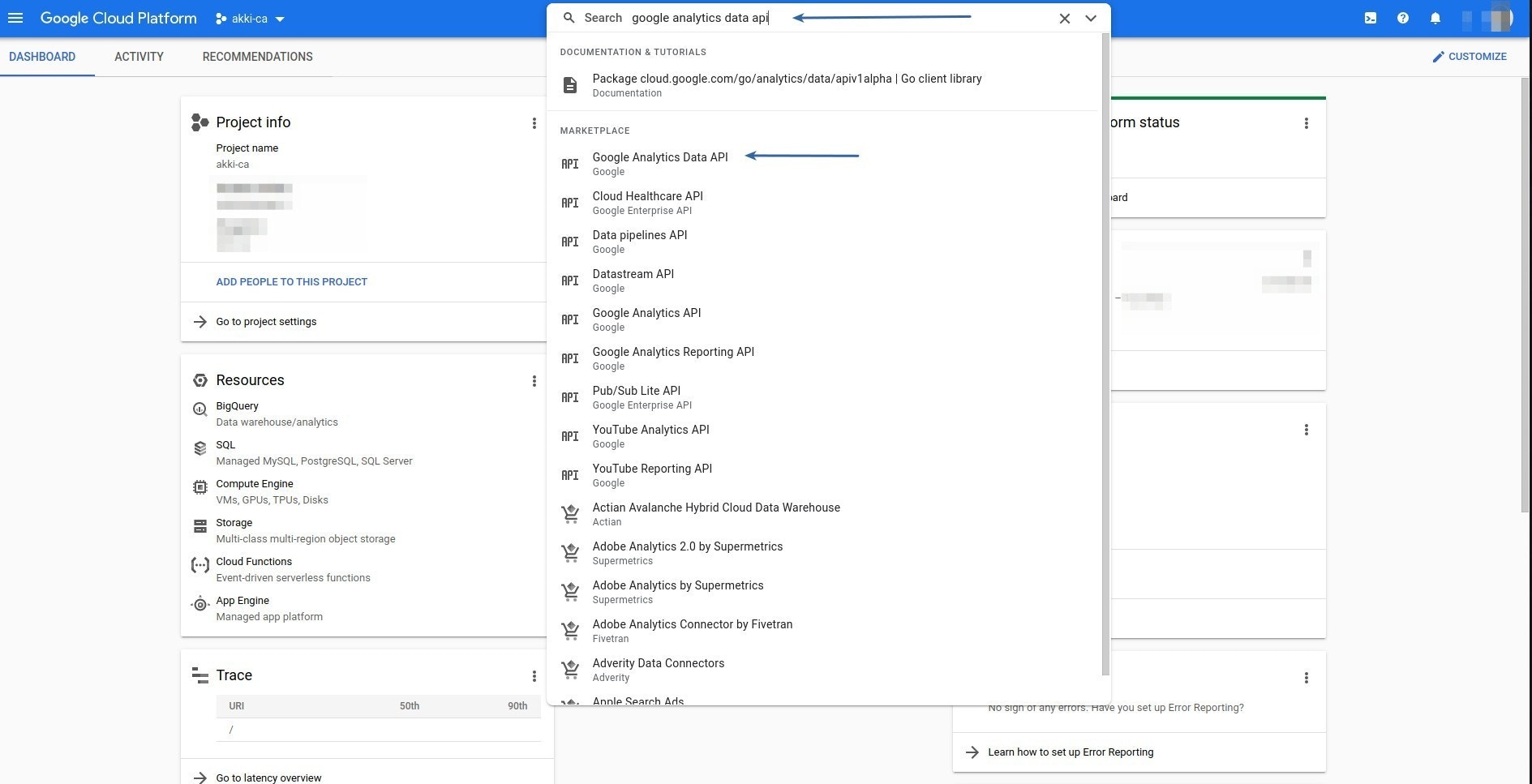
4
Step 4
After selecting it make sure to Enable it.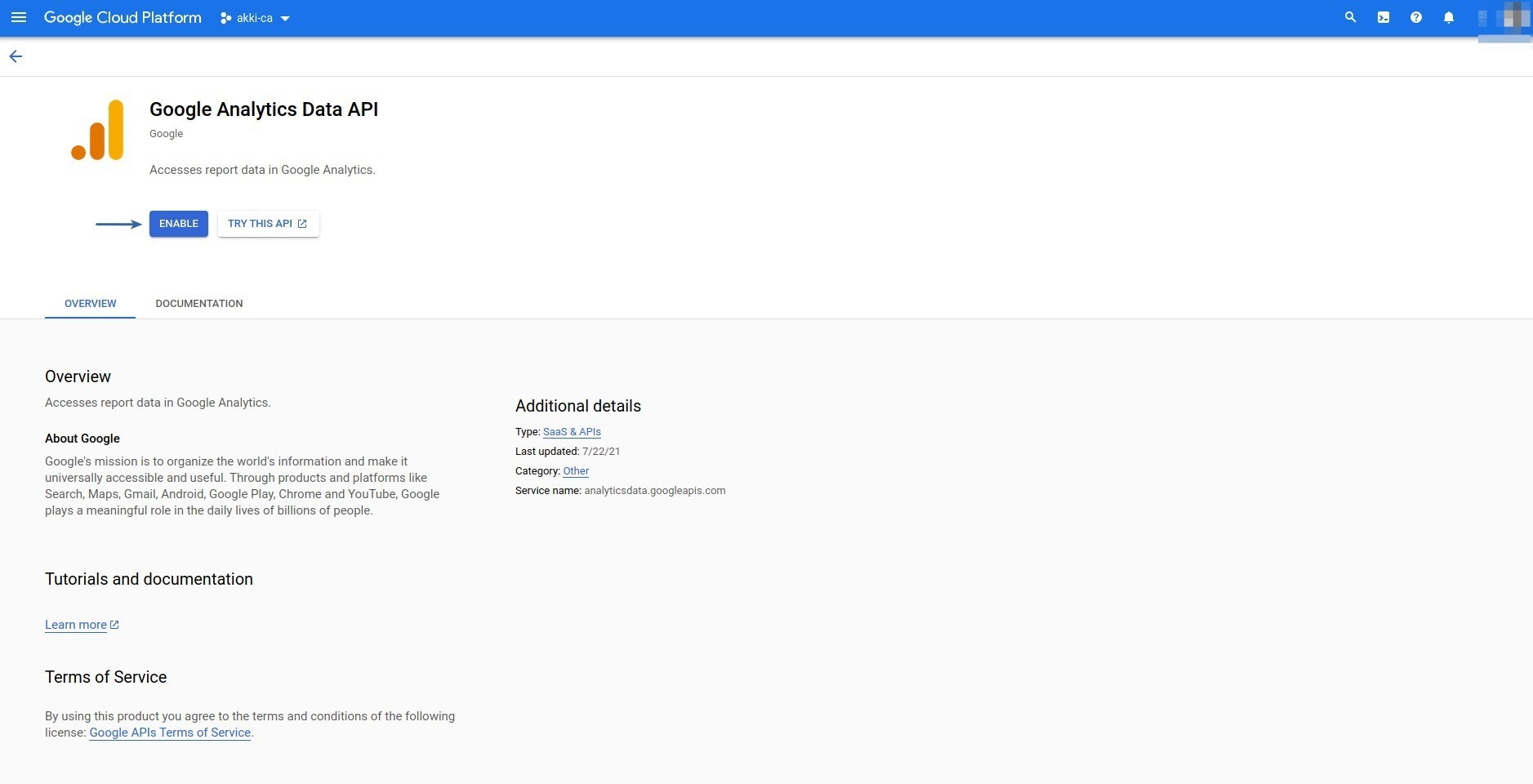
5
Step 5
Next, select Credentials tab from side menu.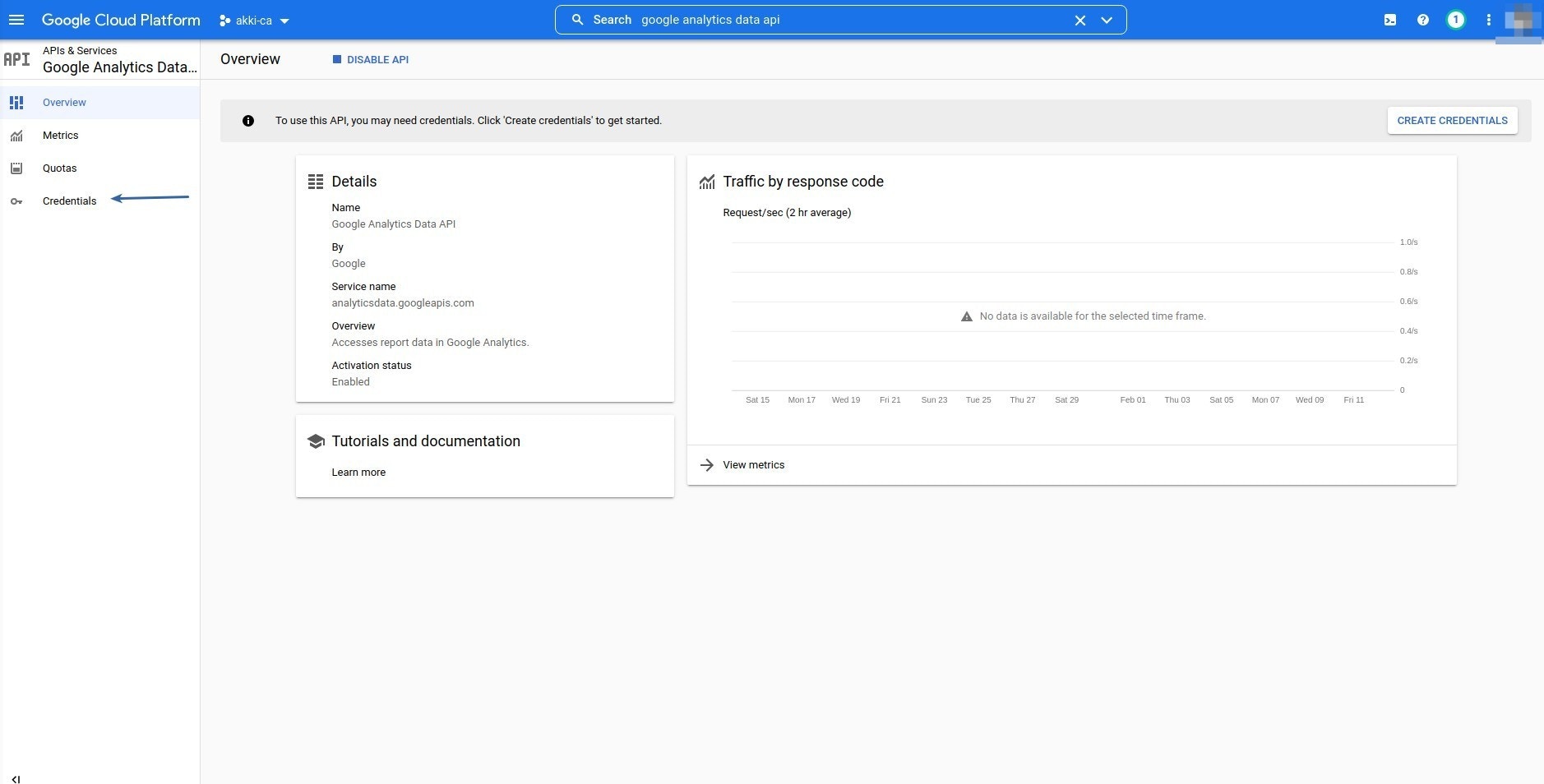
6
Step 6
While you are on the Credentials page, select Manage Service Accounts.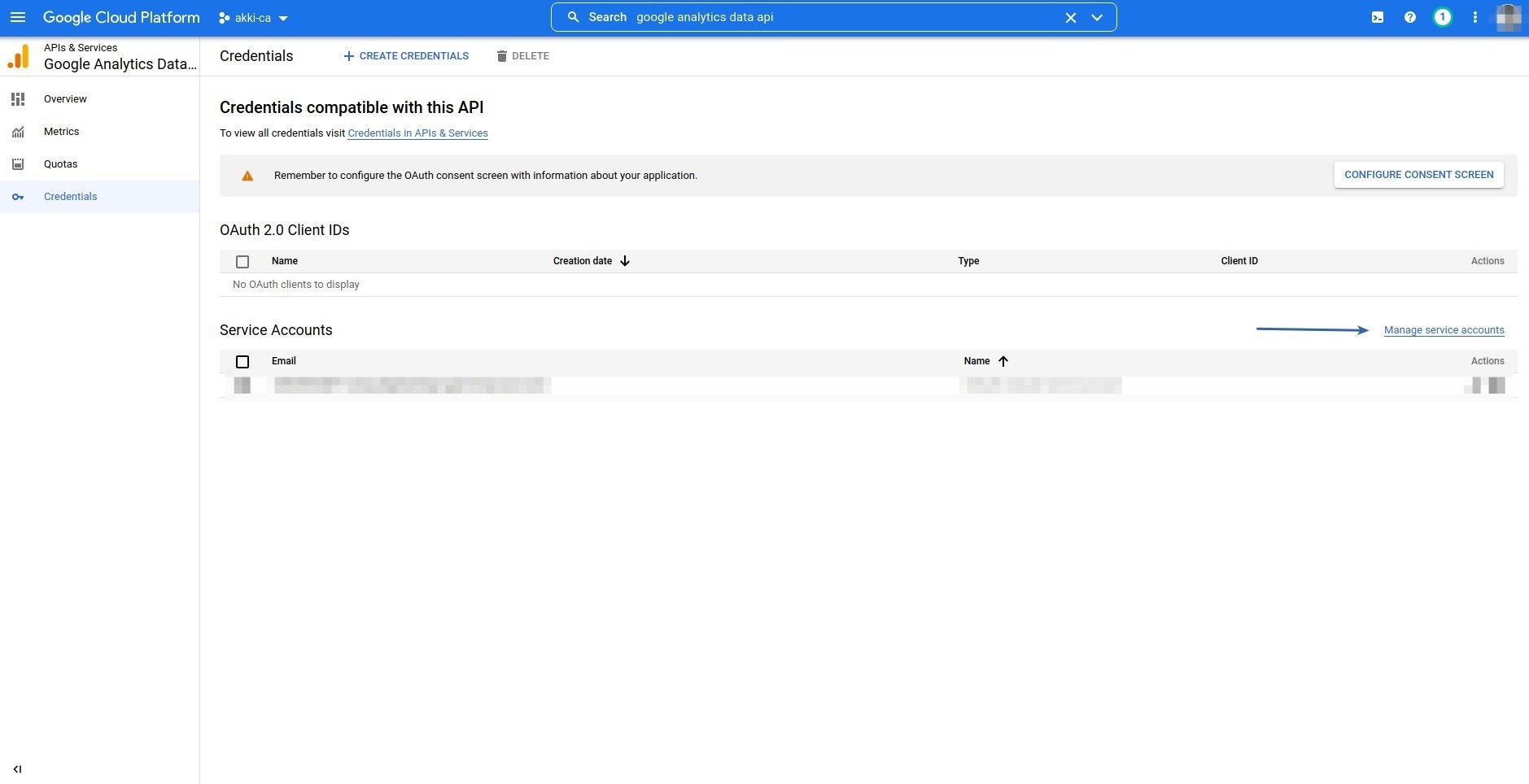
7
Step 7
Next click on Create Service Account.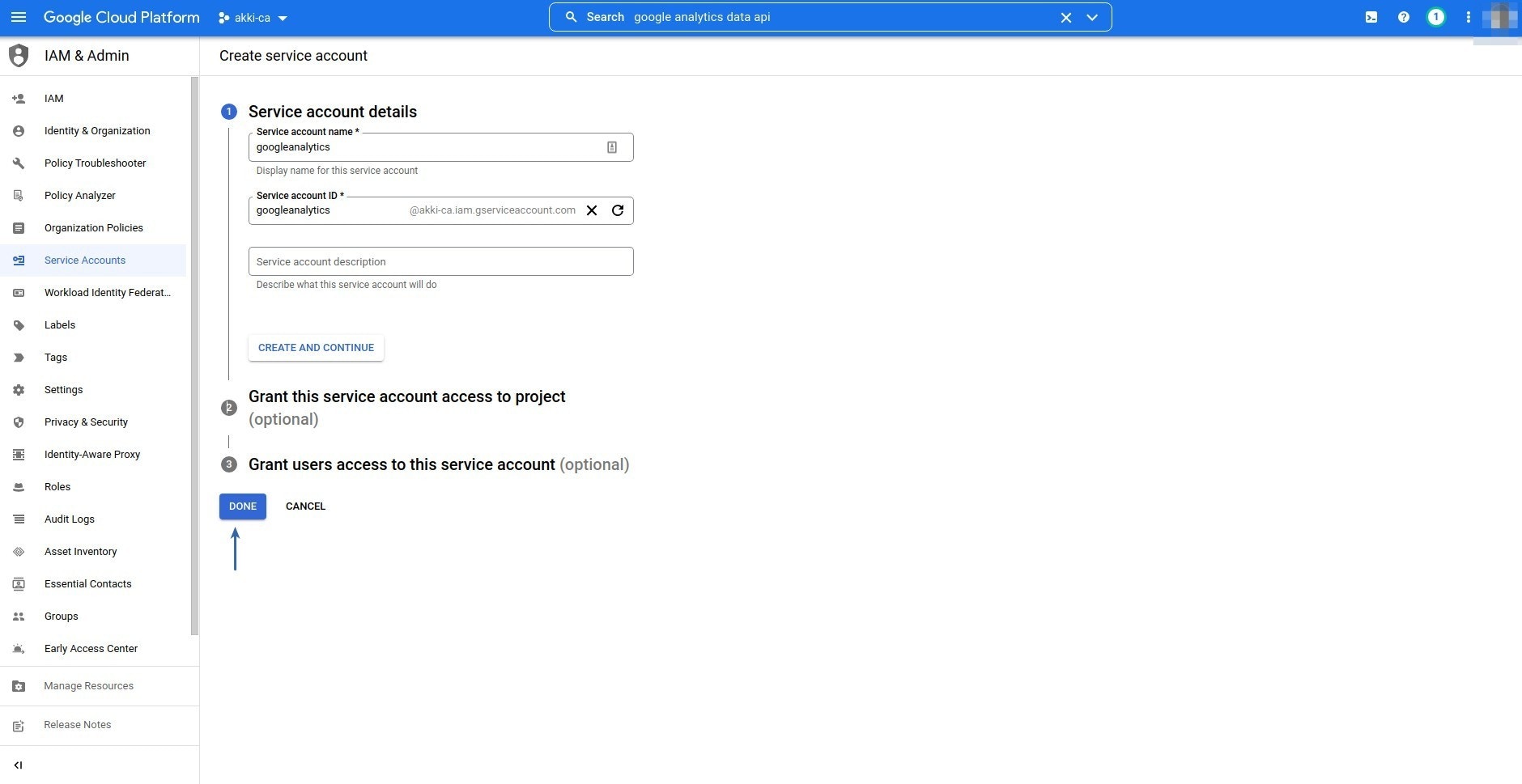
8
Step 8
Provide require information as you prefer and click Done.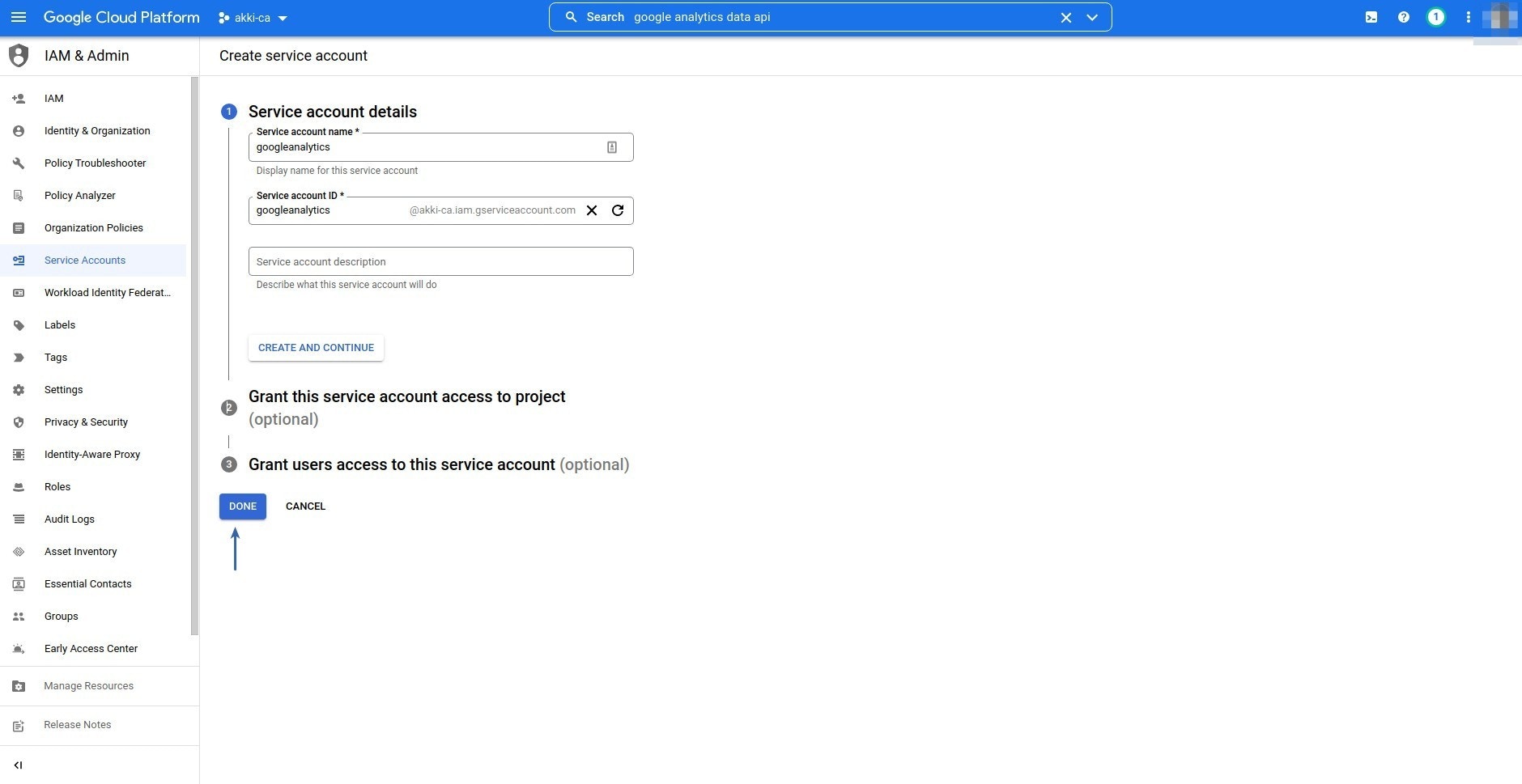
9
Step 9
Next select your newly created service account and under Actions column, select Manage Keys.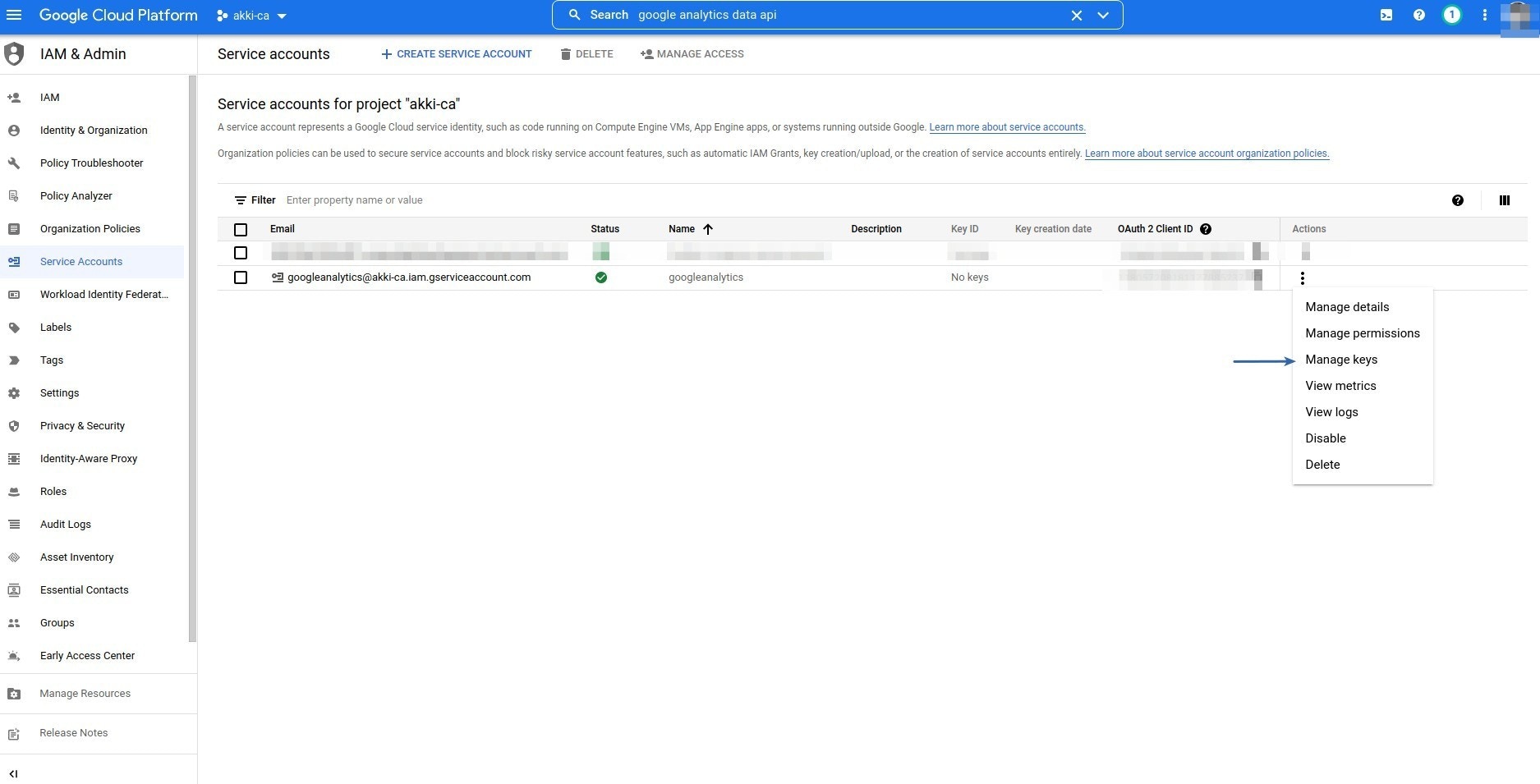
10
Step 10
Next select Create New Key.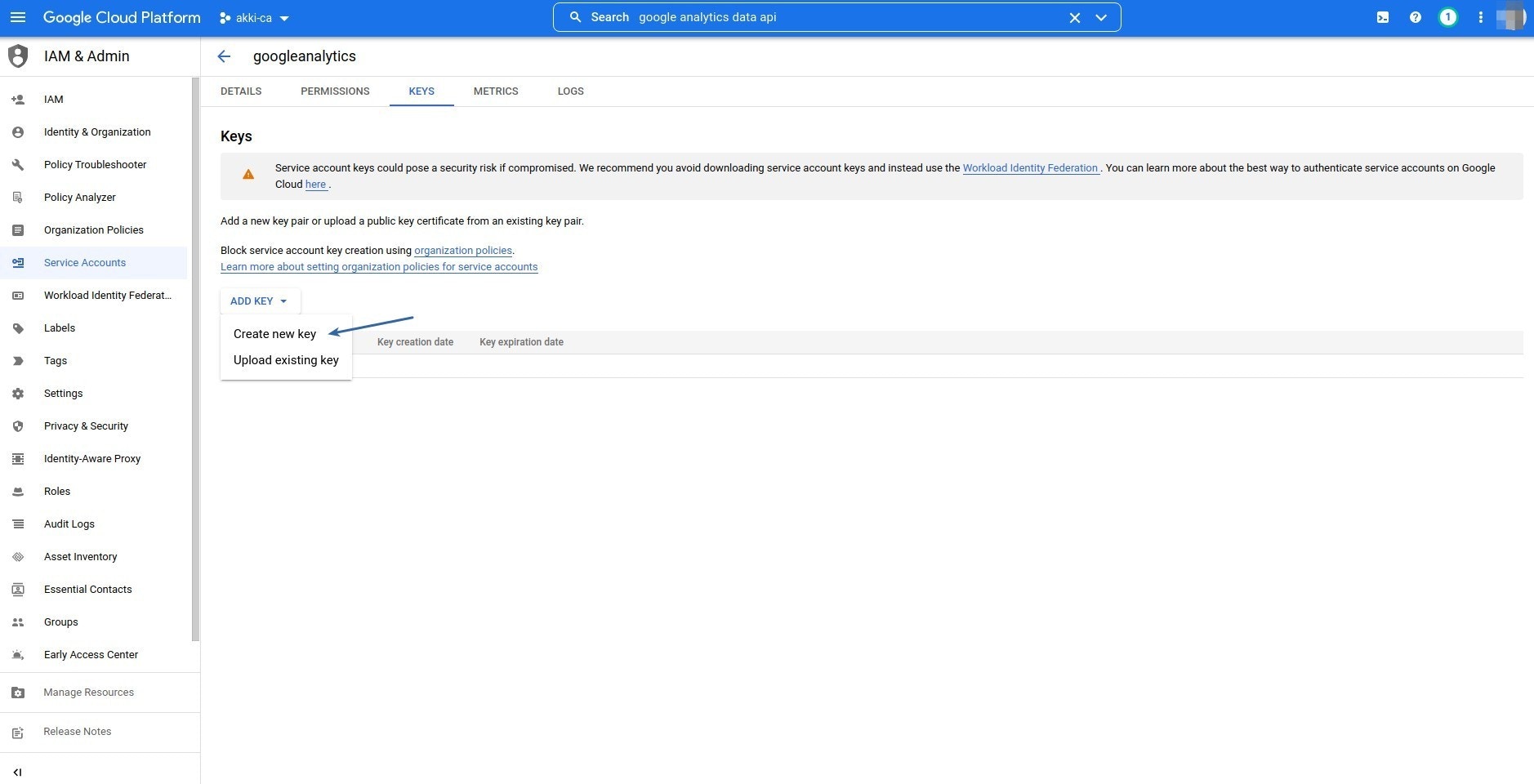
11
Step 11
Next select Select key type to be JSON and save the file somewhere, you will need it soon..
12
Step 12
Now let’s setup your Google Analytics account. Loging to your Google Analytics account (by default it is not GA4 only) and select your target account and click on Admin button at the bottom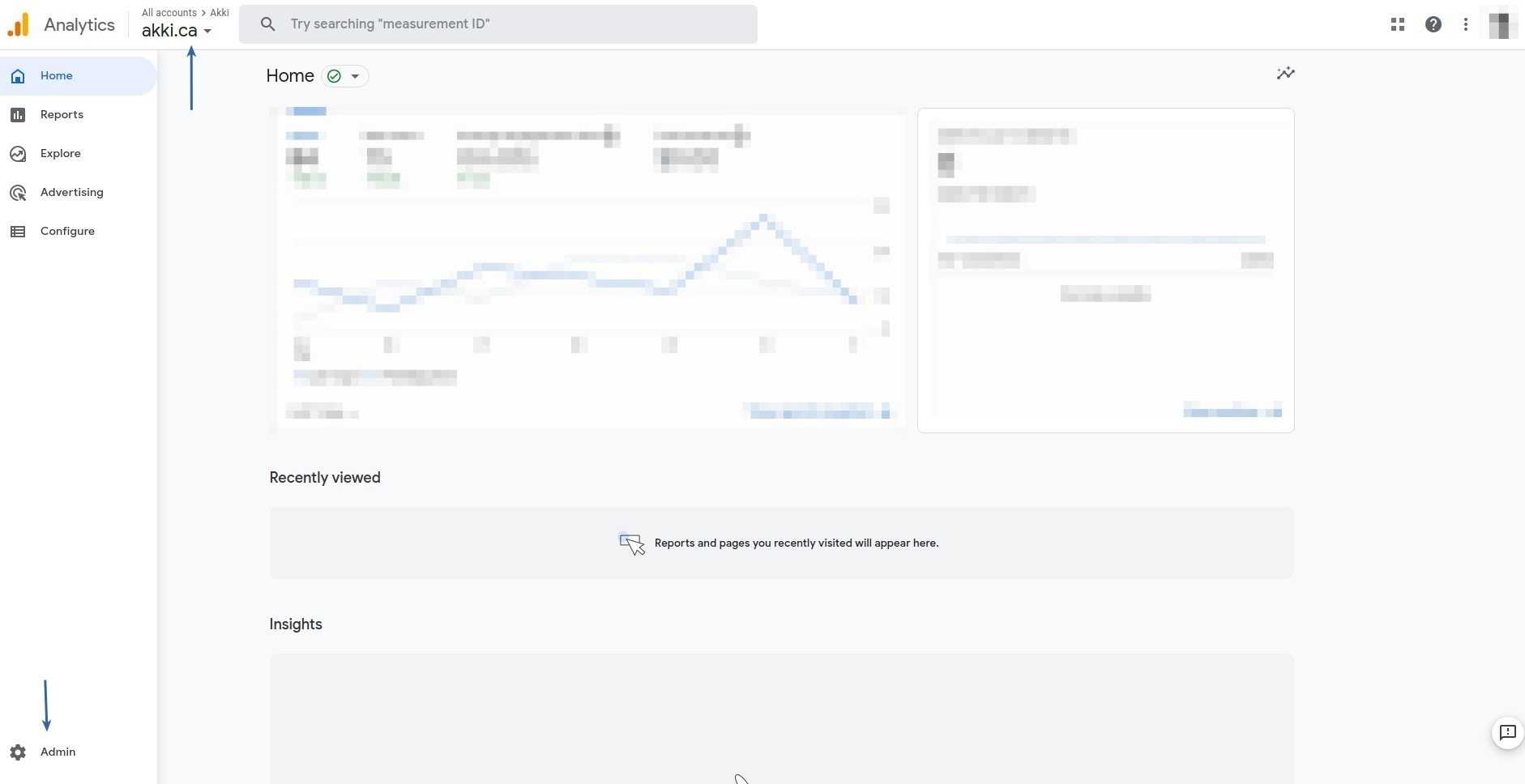
13
Step 13
Next select Account Access Management.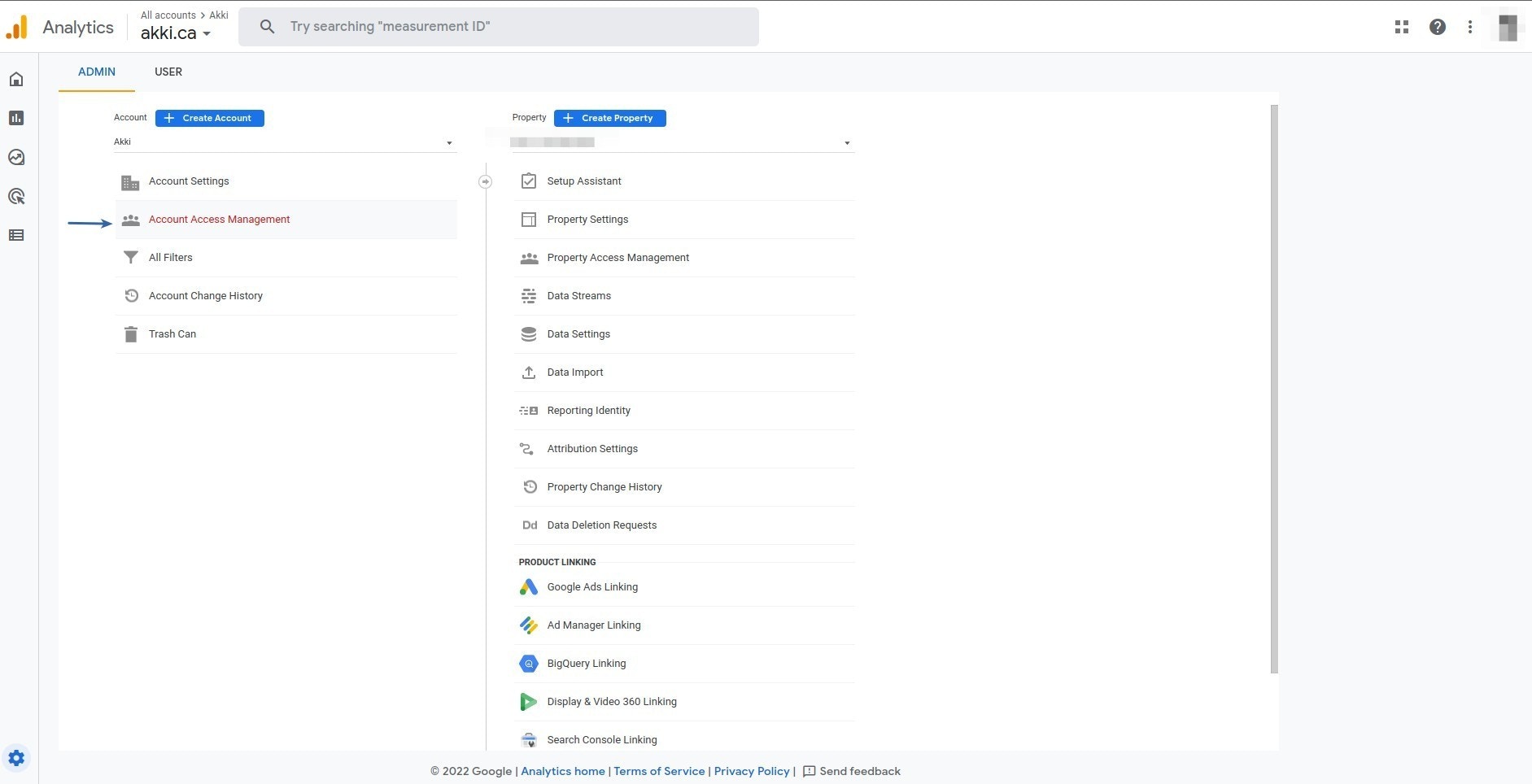
14
Step 14
Next click on the Add Users button.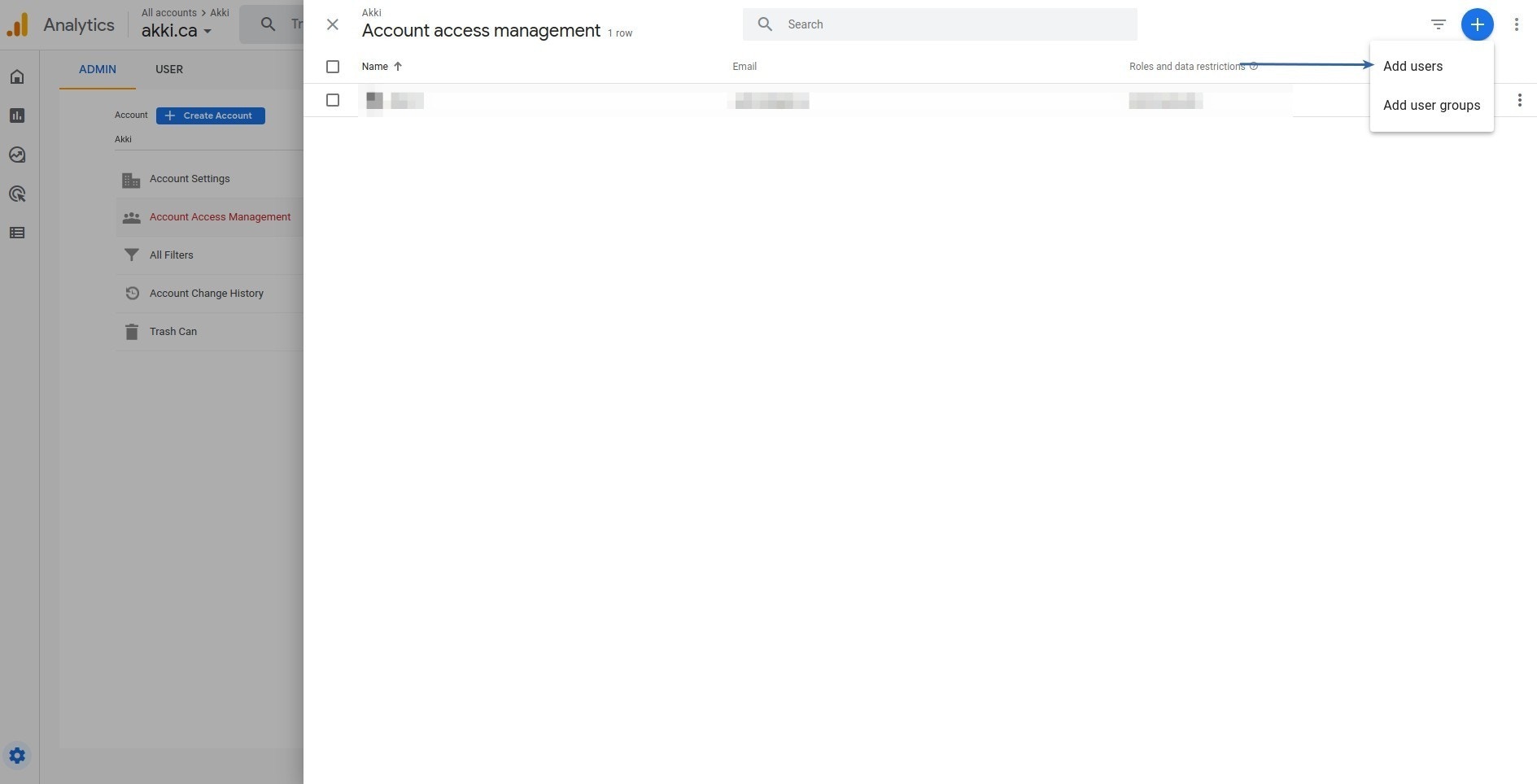
15
Step 15
Enter the email same as the client_email from the json file that you generated at step 11.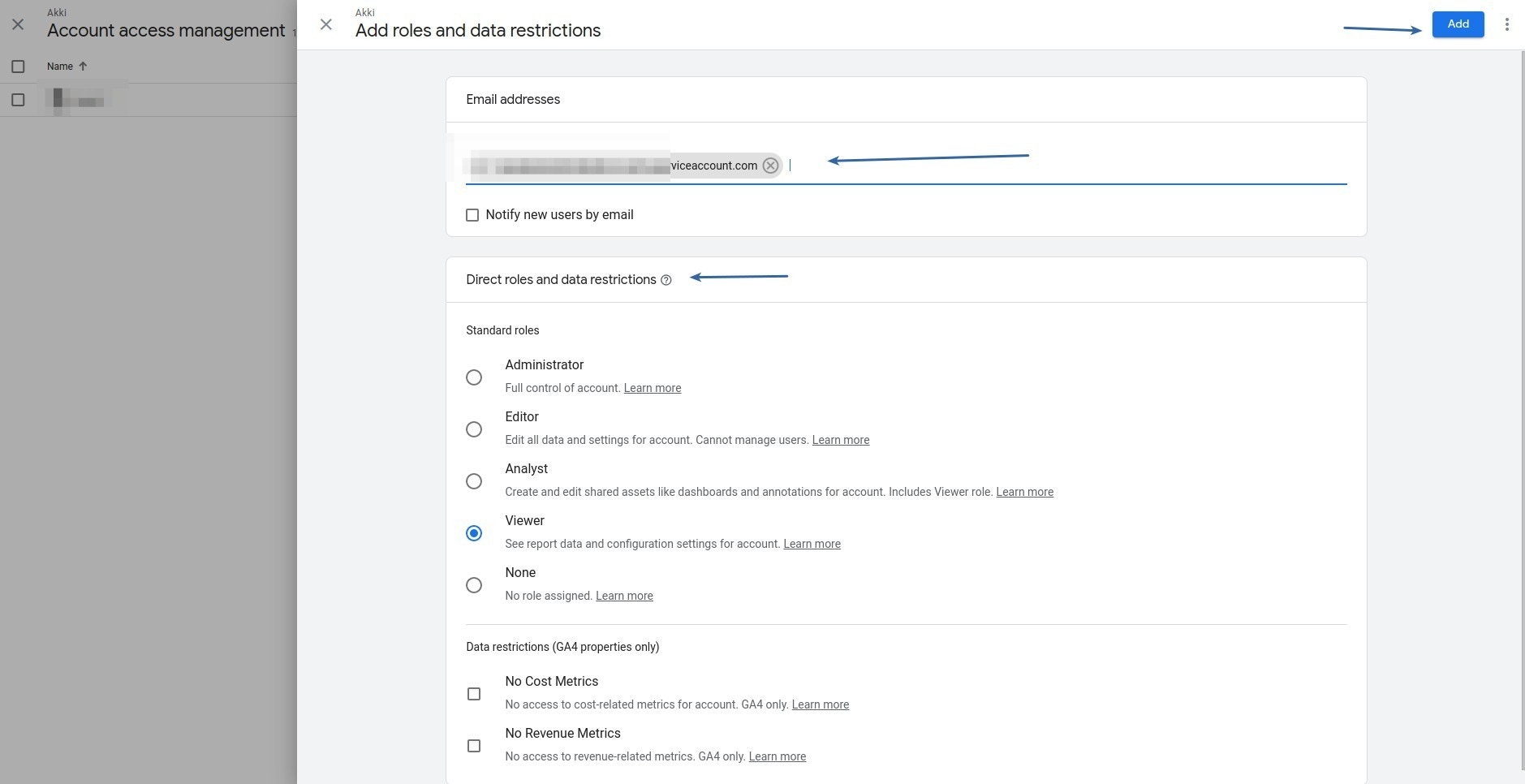
16
Step 16
Next select Property Settings.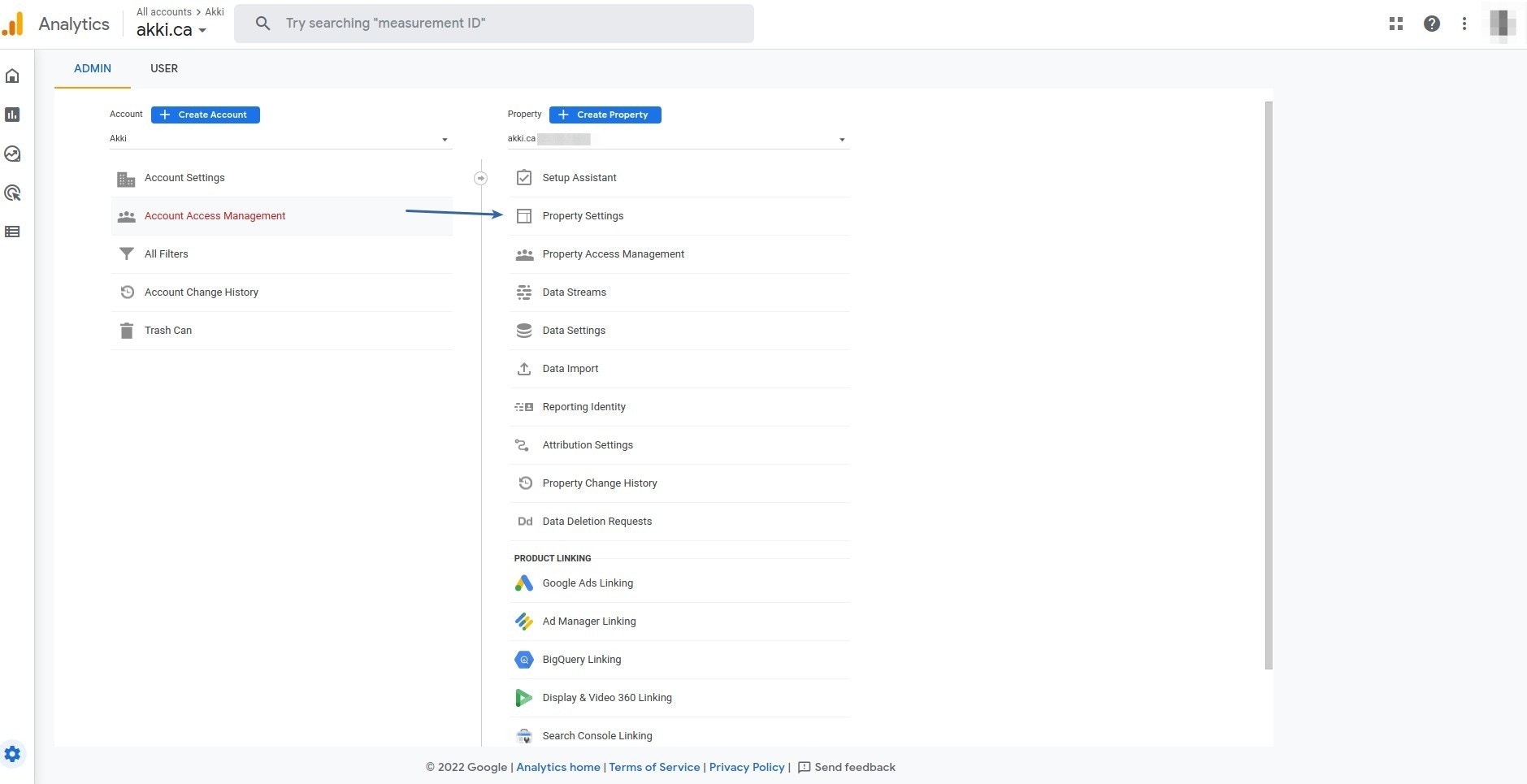
17
Step 17
Save the Property ID value.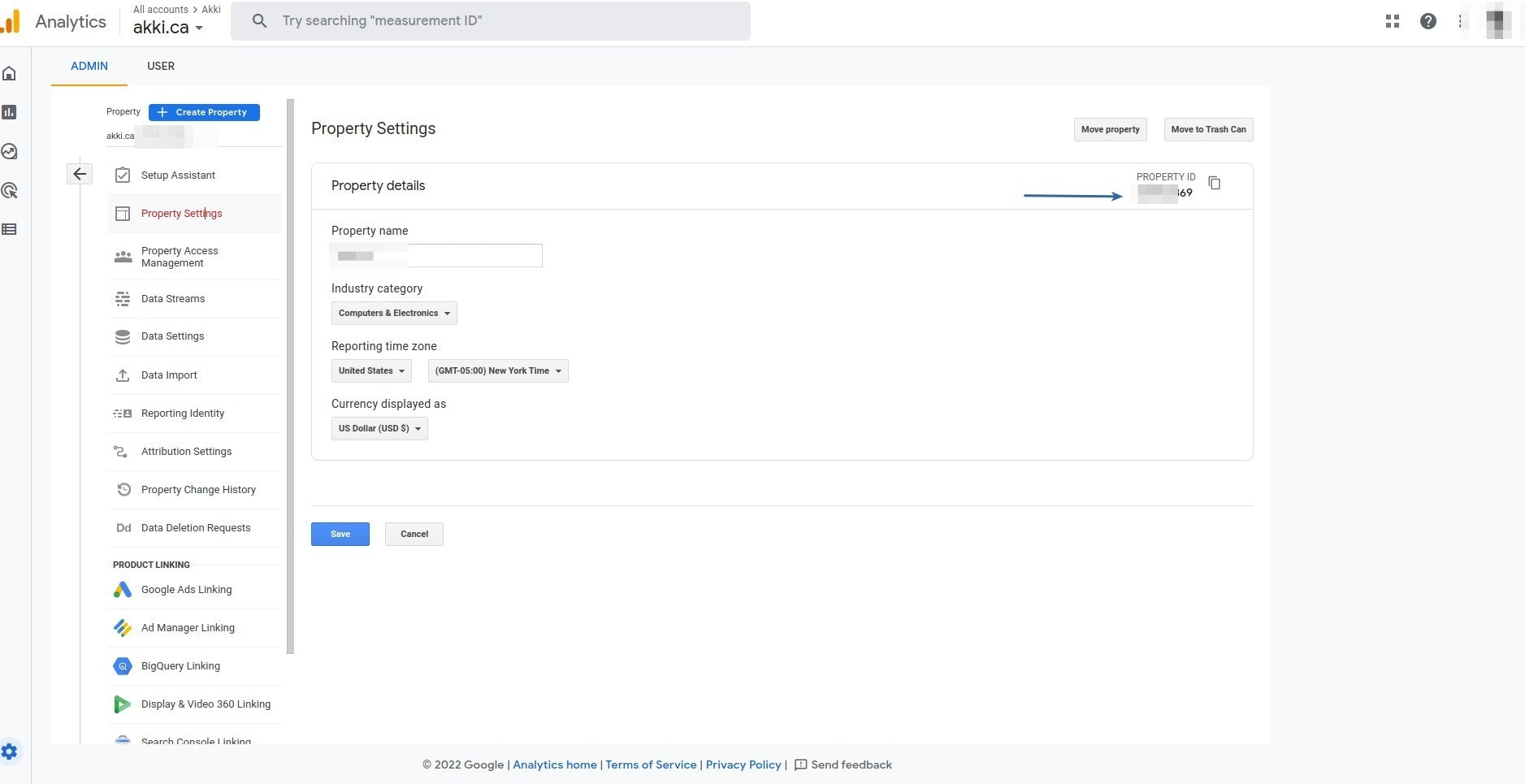
18
Step 18
Login to the Davinci AI as Admin. Go to the Admin Panel -> General Settings -> Global Settings and scroll to Google Analytics section.
Enter your *Google Analytics Property ID and Google Service Account Credentials JSON File Name and click save.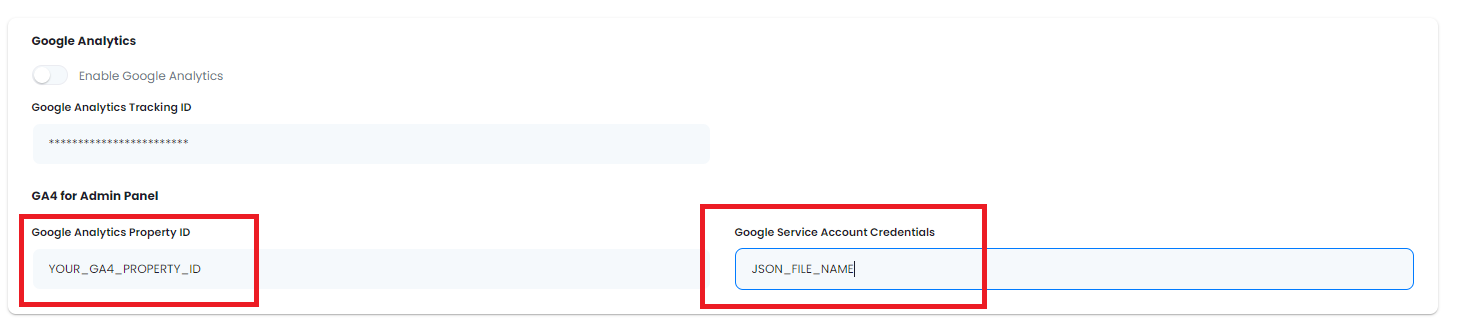
Enter your *Google Analytics Property ID and Google Service Account Credentials JSON File Name and click save.
19
Step 19
Last important step would be to upload your json file to your hosting and store it under storage/app/analytics/
20
Step 20
You now have completed the Google Analytics 4 configuration for admin dashboard.